Packed with omega-3 fatty acids and essential nutrients, fish oil is one dietary supplement that has tons of health benefits. Though it mostly comes to mind while speaking of general health, fish consumption has also shown promise for hair health. Cod liver oil for hair and omega-3 benefits for hair have been talked about a lot to promote growth, sheen, and overall wellness. Regular intake may also prevent thinning hair and strengthen the scalp, all creating a strong base for healthier locks. Let's explore in-depth how fish oils could assist your journey toward better hair care.

What Makes Fish Oil Beneficial for Hair?
Fish oil is extracted from fish fats, such as salmon, mackerel, and sardine. It is a rich natural source of omega-3 - 3 fatty acids that keep the body healthy and functional. The body cannot manufacture these fatty acids on its own; therefore, they should be supplied either through dietary sources or supplementation. Omega-3 fatty acid uses in terms of hair health include the following: nourished hair follicles with increased strength and reduction in possible breakage have been attributed to the fatty acids available in fish oil. It helps reduce inflammation, said.
Then, it increases scalp circulation for healthy growth. It adds natural shine and softness to rejuvenate dry or brittle hair strands.
Omega-3 Benefits for Hair Growth and Strength
Fish oil supplements, particularly EPA and DHA, have proven useful to the human scalp and hair. They nourish hair follicles, keep them hydrated, and prevent the hair from dryness and dandruff. Research depicts that omega-3s improve hair health. Most of the studies have found that omega-3 supplementation has significant benefits for promoting hair growth, reducing thin, fine hair, and increasing hair density. Well coupled with antioxidants, omega-3 fatty acids strengthen hair and improve hair quality. Fish oil is thus important in making sure there is a constant supply of these nutrients in the body.
How to Use Fish Oil for Hair Care
Adding fish oil to your routine doesn't have to be complicated. Here are three common ways to reap the benefits of fish oil for hair:
- Incorporate Fatty Fish into Your Diet
To obtain those nutrients naturally, eat omega-3-rich fish, such as salmon, mackerel, or tuna. Hair health should include eating at least two servings of fatty fish per week.
- Take Fish Oil Supplements
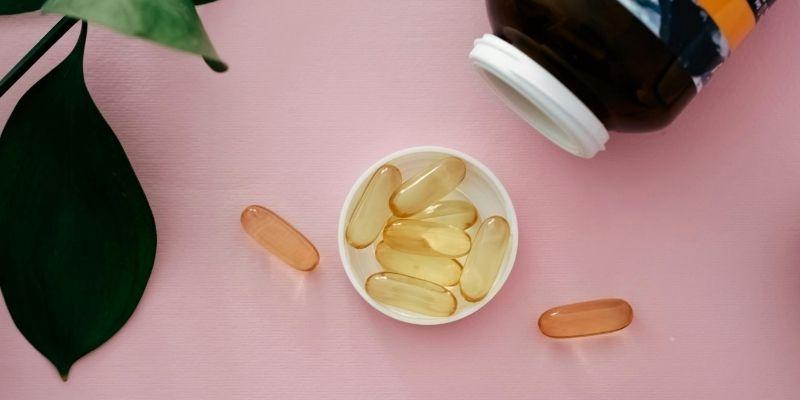
It is quite convenient to shop for fish oil capsules, especially for those who are not fond of fish. Moreover, they are found in a variety of concentrations. It's important to observe the dosage recommended on the packaging or as directed by your health care provider.
- Topical Application
A direct application, massage the fish oil into your scalp. Though not the most popular method due to the strong smell, it is said to usually improve health in the hair follicles and make them shine. Wash well after using the method to get it off.
Uses of Cod Liver Oil for Hair
Cod liver oil is one type of fish oil that comes from codfish and mainly forms their livers. It is said to contain omega-3 fatty acids along with vitamins A and D. These nutrients can help make hair stronger, better nourish the scalp, and help free the hair from breakage.
Cod liver oil exhibits similar applications as those applicable to any other fish oil, but its vitamins make it particularly useful to attend vitamin deficiency affecting hair quality. Regular consumption or application will improve the overall texture and resilience of hair.
Dosage and Safety Precautions
The dose of fish oil varies according to the health conditions of a person and the aims they wish to achieve. Health experts claim that for most people, it is safe to consume about 5,000 mg of omega-3 fatty acids daily. Nevertheless, always check with a healthcare expert before taking new supplements.
Potential side effects of fish oil include:
- Bad breath and fishy aftertaste
- Stomach upset or diarrhea
- Mild rash in rare cases
Fish oil may also interact with medications such as blood thinners. Please speak with your doctor to ensure it's safe to include in your routine.
Do Omega-3 Fatty Acids Prevent Hair Loss?
Inflammation, poor nutrition, or hormonal imbalance often have effects that result in hair loss. Omega-3 fatty acids' anti-inflammatory properties will be useful to fight these problems and provide an environment in which hair can grow well. Improve the blood circulation on the scalp with omega-3 fatty acids to nourish hair roots and stimulate regrowth in the thinning areas of the scalp.
More research is needed, but anecdotal evidence supports effectiveness. Omega-3s can be matched with a good, balanced diet and additional measures in hair care for a winning combination.
"Fish Oil for Hair: Benefits Worth the Risks?"
Fish oil, while beneficial for hair health, may cause side effects in some individuals. High doses can lead to gastrointestinal discomfort, including nausea, diarrhea, and indigestion. Some people may experience a fishy aftertaste after consuming supplements. Applying fish oil directly to the scalp may result in allergic reactions like redness, itching, or irritation. Additionally, low-quality fish oil products may contain harmful heavy metals like mercury. To minimize risks, it's essential to follow your doctor's recommended dosage and choose purified, high-quality fish oil supplements for safe consumption.
Takeaway: Is Fish Oil Worth It for Hair Health?
Fish oil offers numerous benefits for hair, including promoting growth, reducing thinning, and enhancing texture. Its omega-3 fatty acids, along with nutrients like vitamins A and D found in cod liver oil, make it a valuable addition to hair care. While more research is needed, many users report improved hair health after using fish oil. Incorporating fish oil supplements or fatty fish into your diet can provide long-term benefits. Always consult your doctor before starting new supplements to ensure they suit your health needs. Try it and see the transformation!