Yellowstone National Park is a destination unlike any other. With more than 2 million acres of protected wilderness, it offers geothermal features, alpine lakes, wildlife sightings, and wide-open landscapes that inspire awe. For first-time visitors, navigating Yellowstone’s size and diversity can be a challenge without a clear plan. This guide provides essential information, insights, and suggestions tailored specifically for first-time travelers who want to experience the best of Yellowstone National Park.
Navigating the Vastness of Yellowstone
Yellowstone is situated mainly in northwestern Wyoming, with smaller parts extending into Montana and Idaho. The park is massive—larger than the states of Delaware and Rhode Island combined—and is divided into several regions, all connected by the Grand Loop Road, a roughly 142-mile-long route that forms a figure-eight and links most of the park's major sights.
There are five main entrances: North (near Gardiner, Montana), Northeast (near Cooke City), East (from Cody), South (from Grand Teton National Park), and West (from West Yellowstone, Montana). Each entrance provides access to different areas, so choosing where to start depends on the itinerary and the direction of travel.
Best Time to Visit for First-Time Travelers
Although Yellowstone is open year-round, the experience can vary dramatically by season:
- Late Spring to Early Fall (May–October): This is the most visitor-friendly period. Roads are open, wildlife is active, and all visitor services are available. For first-timers, this is the most practical window for a comprehensive visit.
- Early Spring and Late Fall: Some roads and facilities begin closing due to snow. However, there are still rewarding opportunities for those who prefer quiet trails and fewer crowds.
- Winter: Limited access and harsh weather conditions make this season better suited to return travelers seeking solitude or winter sports.
For a full Yellowstone experience without weather-related limitations, late June through September is the most reliable time for a first visit.
Accommodation Options Inside and Near the Park
Lodging within Yellowstone ranges from basic cabins to well-maintained lodges. The official concessioner manages nine lodging areas, and they fill up quickly, often booked six to twelve months in advance. Campgrounds are also available, some of which require reservations while others are first-come, first-served.
Visitors staying outside the park will find hotels and vacation rentals in towns like West Yellowstone, Gardiner, and Cody. These are good alternatives, especially for those who prefer modern amenities. However, it’s essential to factor in additional driving time each day when staying outside the park boundaries.
Top Attractions for First-Time Visitors
For those visiting Yellowstone for the first time, some attractions are essential due to their iconic status and accessibility.
- Old Faithful and Upper Geyser Basin: Old Faithful erupts on a predictable schedule and is surrounded by a dense concentration of geysers and thermal features. Boardwalks make it easy to explore the basin, and the nearby visitor center offers eruption times and geological information.
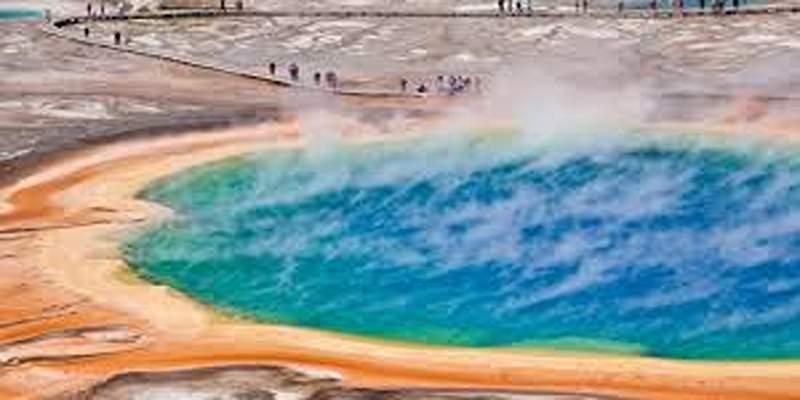
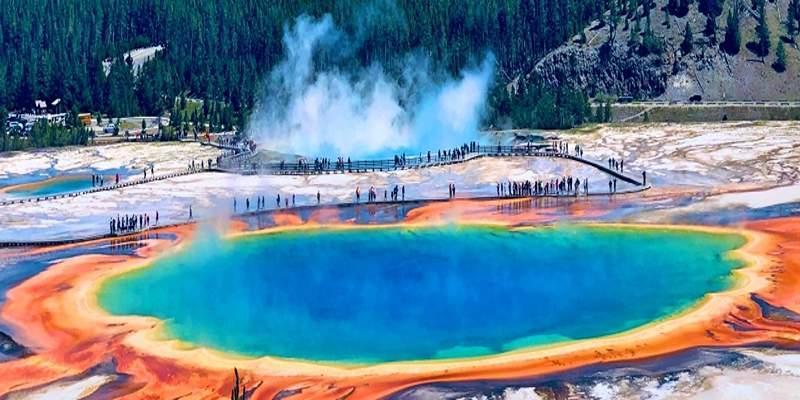
- Grand Prismatic Spring: This vividly colored hot spring is one of the most striking sights in the park. The view from the boardwalk is impressive, but the Grand Prismatic Overlook via the Fairy Falls Trail offers an elevated perspective worth the short hike.
- Mammoth Hot Springs: Located near the North Entrance, Mammoth Hot Springs features travertine terraces shaped by mineral deposits. The area is easily accessible and offers a completely different geothermal experience compared to other regions of the park.
- Grand Canyon of the Yellowstone: This dramatic canyon is carved by the Yellowstone River and features two major waterfalls—Upper Falls and the more powerful Lower Falls. Viewpoints such as Artist Point and Lookout Point offer unforgettable panoramic views.
- Lamar and Hayden Valleys: For those interested in wildlife, these valleys provide some of the best opportunities to observe bison, elk, bears, and wolves in their natural habitat. Early morning or dusk are the best times for sightings.
- Yellowstone Lake and West Thumb Geyser Basin: Yellowstone Lake is North America's largest high-elevation lake. On its western shore, the West Thumb Geyser Basin offers a blend of hydrothermal activity and stunning lake views.
Transportation and Travel Tips
Since public transportation is not available within Yellowstone, visitors must rely on private vehicles. Roads are well-marked and paved, though traffic can be heavy during peak months. Patience and early starts help avoid congestion at popular sites.
It’s advisable to keep maps handy, as cell service is limited or unavailable throughout most of the park. Fuel stations are spread across a few central locations—visitors should refuel when possible to avoid getting stranded.
Parking can be tight at peak times, especially around Old Faithful and Grand Prismatic Spring. Arriving early or visiting popular spots in the late afternoon can reduce waiting times and allow for a more relaxed experience.
Safety Guidelines and Responsible Tourism

Yellowstone is wild, both in terrain and in wildlife. Respect for nature is critical:
- Wildlife Distance: Visitors must stay at least 100 yards away from bears and wolves, and 25 yards from other animals such as bison and elk. Wildlife may appear tame, but can be unpredictable and dangerous.
- Boardwalks and Trails: Geothermal features are often covered by thin crusts. Stepping off designated paths can result in severe injury or worse. Always stay on marked trails and boardwalks.
- Environmental Responsibility: Trash must be packed out or placed in bear-proof bins. Feeding wildlife or disturbing natural features is prohibited. Leave natural items in place to preserve the ecosystem.
Conclusion
Visiting Yellowstone for the first time is a rewarding experience that combines natural beauty with unforgettable encounters. The key to a successful trip lies in planning, realistic pacing, and a flexible mindset. Rather than trying to see everything in one trip, focusing on a few key areas ensures a more enriching and less exhausting visit.
Yellowstone isn't just a collection of scenic spots—it’s a living, breathing ecosystem that demands respect and awareness. By understanding the park’s structure, choosing the right time to visit, and observing safety and conservation rules, first-time travelers can enjoy a smooth and deeply memorable journey through one of America’s greatest natural treasures.