
Many people all around suffer from chronic migraines. It affects daily living and makes one prone to regular headaches. Though there are many treatments available, not all will benefit everyone. One increasingly sought-after choice for chronic migraine is Botox. It lessens the frequency of migraine strikes. Botox blocks nerve signals, causing pain and relieving it.
Patients get injections to particular head and neck sites. When other choices fall short, this treatment might bring relief. Many studies confirm its efficiency in controlling persistent migraines. Knowing how Botox for migraine prevention works will enable people to determine whether it's appropriate for them. This guide investigates the advantages, techniques, efficacy, and probable hazards of Botox treatment.
What Is Botox and How Does It Work?
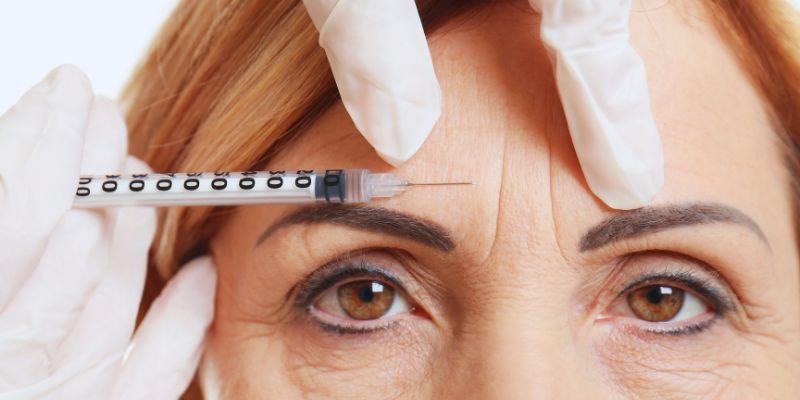
One kind of botulinum toxin is refined and called Botox. It stops the nerve signals generating muscular contraction. In those with chronic migraines, this procedure helps lessen pain signals. Botox injections are administered to particular head, neck, and shoulder sites. The aim is to relax muscles and stop migraine triggers from turning on. Instant relief is not offered with Botox. The effects take time to develop. Most patients require several therapy sessions to show appreciable change.
To get the best benefits, doctors advise injections every twelve weeks. Every session consists of several targeted little injections. Different from cosmetic Botox is Botox for migraine relief. Medical need dictates the quantities and injection sites. This therapy helps to lower the monthly headache days count. Many individuals gradually have fewer migraines. Results, meanwhile, vary from person to person.
How Effective Is Botox for Chronic Migraine?
According to many studies, Botox is a successful treatment for persistent migraine. Studies show that Botox helps to cut the monthly headache count. While some individuals take longer to see notable results, others get relief during the initial few treatments. With ongoing use, Botox's effects compound over time. For those with chronic migraines, particularly those suffering 15 or more headache days a month, the American Headache Society advises Botox. Botox blocks nerve activity in pain pathways, therefore preventing migraine triggers.
Many people say their headaches are less frequent and less severe. However, everyone's Botox results will differ. While some could not react as effectively, others could notice significant changes. Following every session, doctors track patient development. If Botox proves successful, patients will keep up their planned visits. If this is not the case, other migraine treatments could be investigated.

The Botox Injection Process for Chronic Migraine
Treating severe migraines with Botox is quick and straightforward. A doctor injects Botox into particular head, neck, and shoulder muscles. The whole process runs fifteen to twenty minutes. Usually, patients get 31 little injections in the relevant locations. The pain is mild and usually described as a little pinch or modest discomfort. Botox does not act right away. While some individuals start to feel results in a few days, complete alleviation can take weeks. To noticeably improve, most patients require at least three therapy cycles.
Usually, Botox's effects for migraine relief run ten to twelve weeks. Patients have to keep getting regular injections as advised if they want to keep the outcomes. Patients should talk with their doctor about their medical history before beginning treatment. Some diseases could compromise Botox eligibility. Patients should also let their doctor know whether any past side effects from like treatments have occurred. A correct assessment guarantees that Botox is a viable and safe solution for migraine control.
Possible Side Effects and Risks of Botox
Generally speaking, Botox is harmless, yet some patients may have minor side effects. Among the most often occurring adverse effects include headaches, neck discomfort, and transient muscular weakness. At the injection locations, some patients could also show minor redness, edema, or bruising. Usually, these side effects go away after a few days. Though rare, serious negative effects do occur. Patients occasionally may have trouble breathing, swallowing, or allergic responses. If any strong symptoms arise, quick medical attention is required.
After therapy, patients should tell their doctor about any odd reactions they experience. To guarantee safety, Botox should always be injected by a licensed doctor. Correct injection methods lower the possibility of problems. Following all post-treatment care advice will help patients prevent unneeded side effects. It includes avoiding at least 24 hours following the operation of rigorous physical activity. Patients can reduce risks and optimize the advantages of Botox for migraine relief by following the correct safety measures.
Who Is a Good Candidate for Botox?
Not everyone suffering from migraines is suited for Botox treatment. It is especially authorized for those suffering from persistent migraines, which entail 15 or more headache days every month. Patients who get fewer migraines could not find any advantage from Botox injections. Many times, advised for those who have not responded well to alternative migraine therapies is Botox. Patients whose side effects or health issues prevent oral migraine medications should potentially think about Botox.
A neurologist can decide whether Botox is a good choice by examining the patient's state of health. Some people ought not to have Botox done. Botox should not be used for migraine relief by women who are either expecting or nursing. People with neuromuscular disorders, such as ALS or myasthenia gravis, could also not be excellent candidates. Starting Botox treatment requires a thorough medical assessment. Talking to a doctor about medical background and past therapies guarantees a safe and efficient migraine control strategy.
Conclusion:
A potential cure for chronic migraines, Botox helps lower the frequency and intensity of headaches. It blocks nerve signals that set off pain. After consistent Botox injections, many patients find fewer days of migraine. However, outcomes differ, and not everyone gains from this treatment. One should take into account possible adverse effects, expenses, and the requirement of continuous therapy. A neurologist can ascertain whether Botox is a good fit. Together with lifestyle modifications, it can help with migraine control. Knowing the advantages, drawbacks, and potency of Botox helps patients decide which course of treatment best matches their situation for relief from severe migraines.