Culion, a remote island in northern Palawan, holds a unique place in Philippine history. Once referred to as the “Island of No Return,” it served as a leper colony during the early 1900s. People diagnosed with leprosy were sent there, often against their will, to live out their days in isolation. This shadowed past cast a long, painful legacy over the island, shaping how the world perceived it. But the story of Culion didn’t end there.
Over the years, it has evolved, shedding its sorrowful reputation and becoming a testament to resilience, recovery, and a renewed sense of purpose. This article delves into the history, the turning points, and the enduring spirit of Culion, now rising as a vibrant and inspiring community.
Culion’s Complex History
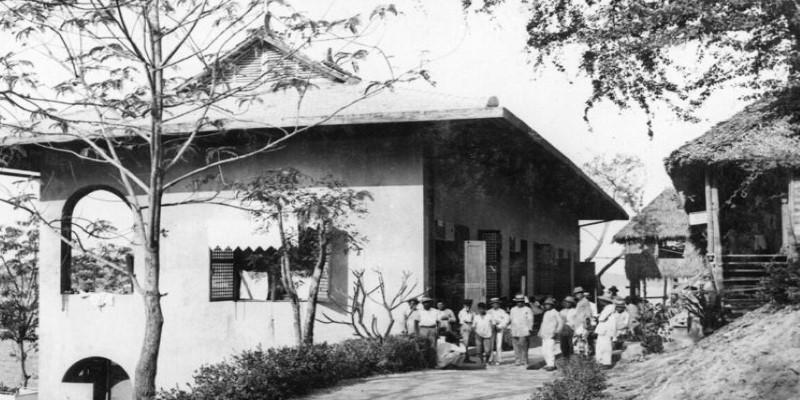
Culion's history is one of confinement, hardship, and survival. A former site of banishment, the island bears a history forged in fear and ignorance. During the early 1900s, during American colonial rule, leprosy was perceived as a calamitous public health emergency in the Philippines. In a bid to contain its spread, officials converted Culion into a leper colony, forcibly resettling thousands of patients diagnosed with the disease. Most never did have an option—they were removed from their families and informed they would never come back. For them, arriving on Culion was arriving at a future that was questionable and frequently heartbreaking.
Life on the island was characterized by isolation and suffering. Patients were put under rigid quarantine protocols, isolated from the rest of society, and left to suffer not only the physical debilitation of leprosy but also the debilitating sting of social exclusion. The stigma of being labeled a "leper" followed them, defining their existence in ways they could not escape. Yet, amid the hardships, the people of Culion found ways to reclaim their humanity. They built churches as places of solace, established schools for the young, and worked the land to sustain themselves. Despite being cast aside by society, they refused to let their identity be defined solely by their condition. Instead, they carved out a community, proving that even in the face of abandonment, life could still be rebuilt.
The painful history of Culion continued for decades, with medical research and treatments for leprosy advancing slowly. The island's isolation became symbolic of society's abandonment of its most vulnerable members, who were often left to live in squalor with little hope of ever being reintegrated into society. However, the story of Culion is not just one of isolation and despair; it is also a story of survival, perseverance, and eventual redemption.
The Fight Against Leprosy and the Stigma
By the mid-20th century, medical breakthroughs in the treatment of leprosy offered a glimmer of hope for those living on Culion. The introduction of sulfone drugs in the 1940s marked the beginning of a medical revolution in the fight against leprosy. These drugs, which could cure the disease, helped reduce the stigma associated with leprosy and, over time, led to a steady decline in the number of new cases. However, while the disease was becoming treatable, the societal stigma surrounding it persisted. The patients, now healed, still struggled to reintegrate into society. The damage done by years of isolation and rejection was not easily undone.
It wasn’t until the 1980s that the Philippine government formally began efforts to decommission Culion as a leper colony. Former patients were allowed to leave, and many chose to return to their families. However, the lingering effects of their time on the island were hard to overcome. Many of the former residents of Culion were left with deep psychological scars, as they had been made to feel like pariahs for much of their lives. Despite these challenges, the people of Culion did not give up. They began to reclaim their dignity and identity, and over time, they transformed the island into a place of healing and renewal, not only physically but also emotionally and culturally.
Culion Today: A Community Reborn
Modern-day Culion stands in striking contrast to its grim past, evolving from a symbol of isolation to a thriving community where history is honored and hope fills the air. Known for its stunning natural beauty, Culion attracts visitors seeking its pristine beaches, crystal-clear waters, and rich coral reefs. The surrounding marine life makes it a top destination for divers and eco-tourists alike.
One of the most remarkable aspects of Culion’s revival is its commitment to sustainable tourism. Over recent years, local governments and residents have worked tirelessly to balance tourism development with ecological preservation. Efforts to protect the island's marine ecosystems have not only ensured environmental health but have also provided economic opportunities for the community, creating jobs and promoting awareness about conservation.
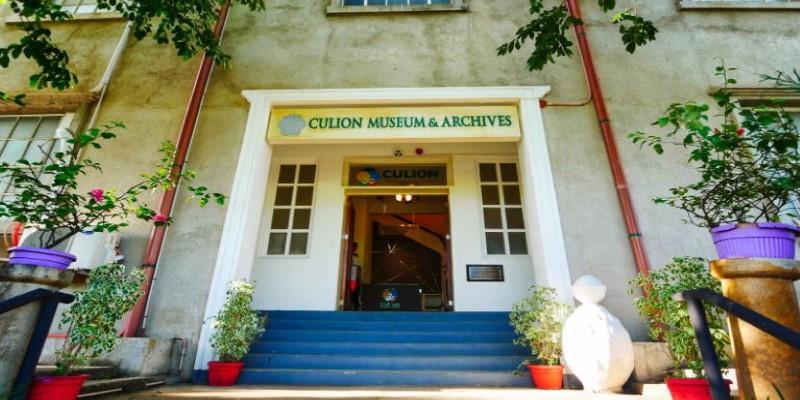
Culion’s resilience is further reflected in its cultural revival. The Culion Museum and Archives, which opened in the early 2000s, preserves the painful yet inspiring history of leprosy patients. The museum showcases their struggles, triumphs, and journey toward recovery, offering visitors a deeper understanding of the island's transformation.
Education and healthcare have been central to Culion's growth. New schools and vocational programs offer young people opportunities to succeed, while the island’s healthcare system now provides general medical services and preventive care to all residents. Agriculture, once limited, has been revived with sustainable practices that support the local economy and preserve the island’s resources. Today, the islanders have moved from reliance on external aid to achieving self-sufficiency, paving the way for a prosperous future.
Conclusion
Culion’s transformation from the "Island of No Return" to a beacon of hope is a powerful testament to resilience. Despite its painful history as a leprosy colony, the island has risen from isolation and stigma to become a thriving community. Today, it stands as a symbol of healing and recovery, with its rich history preserved and its natural beauty drawing visitors. Culion’s journey showcases the strength of the human spirit, proving that even the darkest past can give way to a brighter, more hopeful future for both the people and the land.