
Sagada Weaving that could be found in the beautiful highlands of the Cordillera region reflects the native talent and skill in art. This local industry has been in existence for decades and has been producing handwoven textiles as a way of innovatively showcasing the traditional method of weaving in the Philippines. The intricate designs as well as the harness used in making these weavings are proof of the hard work and commitment of local weavers. These textiles are not mere trinkets; they bear the culture and heritage of the Mountain Province. For craft lovers or someone who wants to have a feel of Mountain Province crafts, Sagada weaving will be a good glimpse of the weaving industry of the Filipino people.
The History and Significance of Sagada Weaving
Origins of Weaving in Mountain Province
This craft has been in existence in the hearts of the Cordilleran people for generations and has been done from generation to generation. The indigenous tribes of the place even have their own patterns and techniques that set their textiles apart from the rest of the Philippines. Traditional weaving in the Philippines is closely associated with people’s lives, as fabrics woven by hand are used for clothing, ceremonies, and barter. The weaving industry thrived in Sagada, thus being able to sustain the livelihood of the artisans. This practice is still in use up to the present time and is a clear indication of the tough and proud Kalinga-Mountain Province people.
The Establishment of Sagada Weaving
Sagada Weaving was established in 1968 as a weaving workshop that aimed to revive the dying art of Cordilleran weaving. It has risen to be a popular company that manufactures a wide range of handcrafted textiles and other accessory products. The factory also uses professional weavers who use handlooms to produce the patterns on the fabrics. Today, Sagada Weaving is a gem that represents the spirit of a Kalinga province where beautiful weaving products of Mountain Province are displayed, and locals are given a chance to work.
Why Weaving is Important to the Local Community
Sagada weaving is no longer just an occupation among the people of Sagada, but it is also an image of culture. Rigorous designs have been woven into the fabrics, depicting the culture and encouraging the religion of the community. It is evident that, for many of the artisans, the craft of weaving is a way of honoring their forebearers as well as making a living in today’s world. The industry also supports sustainable tourism which a people who are interested in real locally produced products. In visiting Sagada Weaving, tourists are supporting an art that has been in existence for many generations in Cordillera.
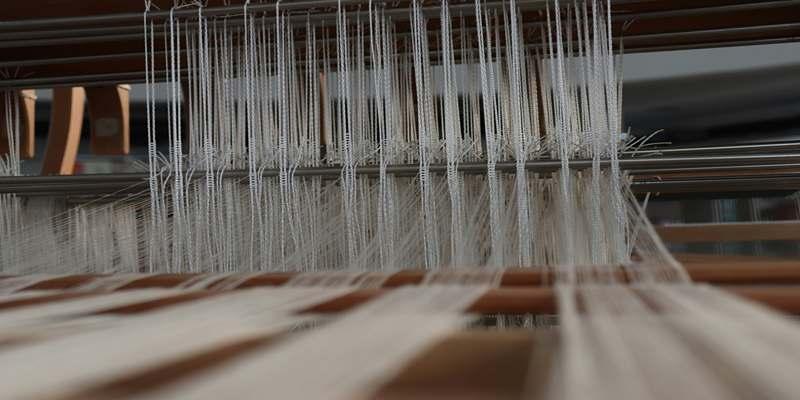
The Weaving Process: From Thread to Textile
Selecting Materials and Preparing the Loom
The first process to be implemented in Sagada Weaving is selecting the right material, which should be of the best quality. It is common for traditional weavers to use cotton, polyester, and any other fiber that will bring durability to the cloth. Before placing the threads on the loom, they are chosen according to the color and thickness of the thread. The setting up of the loom is a delicate task because each strand of the material has to be placed in the right manner to produce the beautiful designs that characterize the Sagada Weaving. By so doing, they ensure that each of the woven fabrics is unique in quality as well as strength.
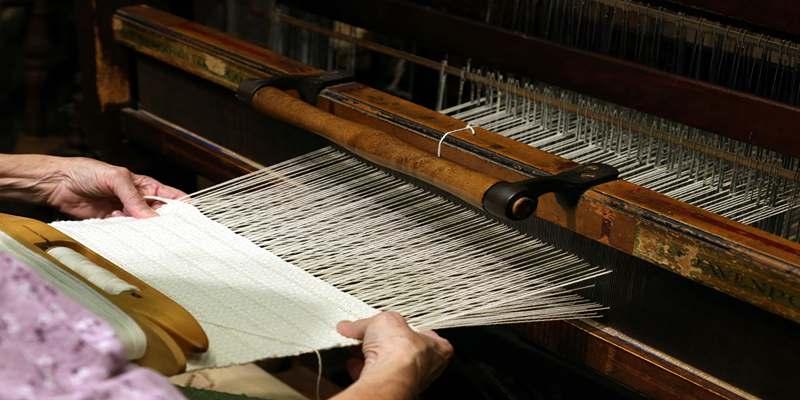
The Art of Handloom Weaving
While most fabrics available in the market are made mechanically through power looms, traditional fabrics of the Philippines are produced through handlooms. The weaver skillfully weaves the threads in the most intricate manner and from row to row, which has been passed from one generation to the next. The process is somewhat manual, and the larger pieces may take a few days to get completed. The weaving is both an art and a chant, as is the pace of the loom and the attention to detail needed for the weaving process. It could also be said that every single piece of textile and apparel is a result of the hard work and commitment of the individual who made it.
Finishing Touches and Quality Control
After weaving has been done, the fabric is checked in order to conform to some standard and to ensure that it is strong. It is cut, with loose ends being neatly tucked, and the edges are sewn to avoid raveling. Some of the textiles are used in the production of end products such as bags, wallets, and apparel, among others. Since the products are handmade, each of them possesses the beauty of the artisan’s hand, and that is why Mountain Province crafts are greatly prized by collectors. This last procedure ensures that the fabrics produced through weaving are in line with the quality that Sagada Weaving expects to offer its customers.
Types of Sagada Weaving Products
Sagada Weaving involves the following products: Handweaving, which is mainly clothing and accessories fabrications. Among those items, there are the skirts made of woven materials and scarves and belts with geometrical designs. These textiles are referring to the Cordilleran tribes and are still being used up to this present day in cultural activities and ceremonies. This weaving is one of the best traditional weavings in the Philippines because of the durability and the bright colors of the designs that are put into the materials.
Conclusion
Sagada Weaving is more than just a craft—it is a living tradition that represents the artistry and resilience of Mountain Province’s indigenous people. Through intricate patterns, durable materials, and centuries-old techniques, this weaving practice continues to thrive as one of the finest examples of traditional weaving in the Philippines. Supporting Mountain Province crafts means preserving a cultural heritage that has withstood the test of time. Whether through clothing, bags, or home décor, every Sagada Weaving product tells a story of dedication, craftsmanship, and cultural pride.